
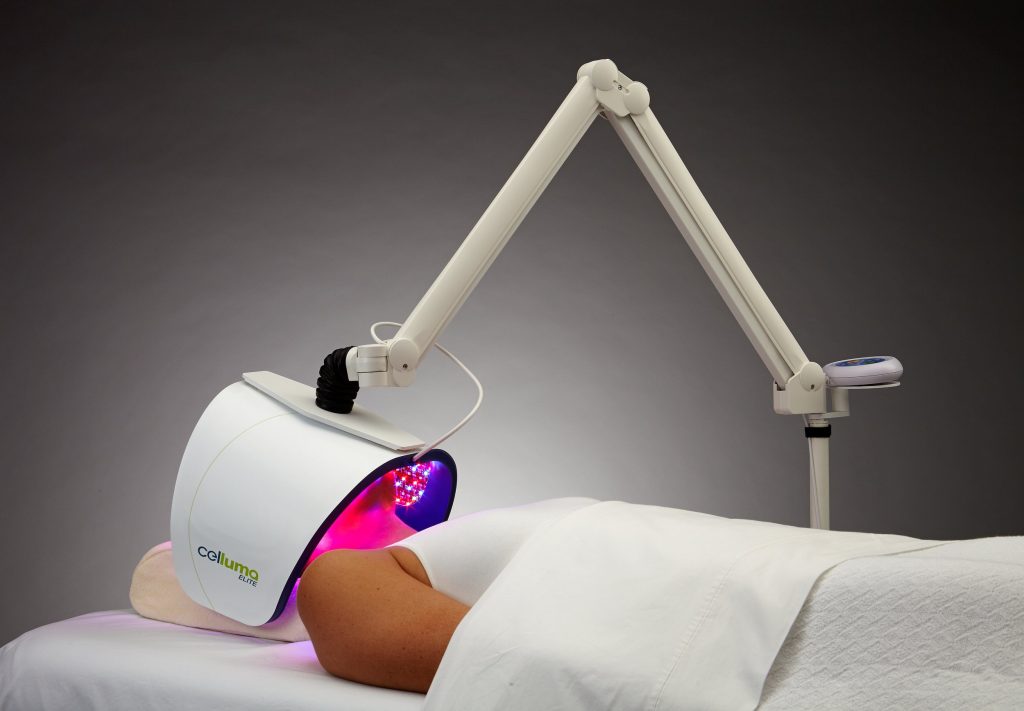
Dry eye disease (DED) affects millions of people worldwide and is one of the most common complaints seen in eye care clinics. Traditional treatments—such as artificial tears, warm compresses, lid hygiene, and prescription drops—often help, but many patients continue to experience discomfort. In recent years, Low-Level Light Therapy (LLLT) has emerged as a promising non-invasive treatment that addresses the underlying causes of dry eye rather than just the symptoms.
What Is Low-Level Light Therapy?
Low-level light therapy uses gentle LED light, typically in the red or near-infrared spectrum, applied to the eyelids. The therapy works at the cellular level, stimulating energy production, reducing inflammation, and improving blood flow circulation and the function of the eyelid’s meibomian glands—critical structures that produce the oily layer of the tear film.
Originally used in dermatology for wound healing and skin rejuvenation, LLLT has been adapted in eyecare with excellent results.
Key Benefits of LLLT for Dry Eyes
1. Helps Restore Meibomian Gland Function
Most chronic dry eye is caused by Meibomian Gland Dysfunction (MGD), where the oily layer of the tear film becomes insufficient or clogged. LLLT gently warms and stimulates the glands, helping to:
- Melt and express stagnant oils
- Improve the quality and flow of meibum
- Reduce tear evaporation
Better meibomian gland function leads to a more stable tear film and long-lasting relief.
2. Reduces Inflammation Around the Eyelids
Inflammation is a major driver of dry eye symptoms. LLLT has well-documented anti-inflammatory effects. It can:
- Decrease cytokine activity
- Reduce swelling in the eyelids
- Soothe redness and irritation
This makes LLLT particularly beneficial for patients with blepharitis or inflammatory MGD.
3. Non-Invasive and Comfortable
One of the most appealing aspects of LLLT is how gentle and comfortable the treatment is. Patients simply rest with their eyes closed while soft LED light warms the eyelids. There is:
- No pain
- No downtime
- No risk of burning or tissue damage
The therapy is safe for most people, including those who are sensitive to heat-based treatments.
4. Improves Tear Stability and Comfort
By improving both the quality and quantity of the tear film’s oil layer, LLLT helps tears stay on the eye longer. Patients commonly report:
- Reduced burning and stinging
- Less dryness throughout the day
- Fewer fluctuations in vision
- Greater comfort when reading, using screens, or driving at night
These improvements can significantly boost quality of life.
Short Treatment Sessions With Long-Lasting Benefits
A typical LLLT session lasts 15-20 minutes, and many patients experience noticeable relief after a few short sessions. There is no downtime or side effects from the treatment. A full course often includes several sessions over a few weeks, with benefits that can last months or longer.
Combination Therapy
In our dry eye assessment, our optometrist will determine whether LLLT is right for you. Often, it is recommended in combination with IPL or RF therapy for added therapeutic effects.
